Bridging Academic Worlds: A Strategic Guide for International Students Mastering UK University Essay Conventions

Every September, thousands of international students arrive at UK universities with impressive academic credentials and high expectations. Yet many find themselves struggling with essay assignments despite their proven intellectual capabilities. The challenge isn't a lack of intelligence or preparation—it's navigating the often subtle but crucial differences between academic writing traditions across cultures. Understanding these distinctions and developing adaptation strategies can transform academic performance for international students.
 Photo: UK universities, via awario.com
The Hidden Curriculum of British Academic Writing
UK university essay conventions reflect centuries of intellectual tradition emphasising critical analysis, measured argumentation, and scholarly humility. These expectations often remain unspoken, assumed to be universally understood. For international students, particularly those from educational systems with different rhetorical traditions, this "hidden curriculum" can prove mystifying.
British academic culture prizes analytical thinking over comprehensive knowledge demonstration. Whilst some educational traditions reward extensive factual coverage, UK universities expect students to select relevant information strategically, analyse it critically, and construct nuanced arguments. This fundamental shift in approach requires conscious adaptation for many international students.
Argumentation Styles Across Cultures
Different academic traditions approach argumentation distinctly. In many East Asian educational contexts, essays traditionally begin with broad contextual information before gradually narrowing to specific arguments. UK conventions, conversely, expect immediate engagement with the question and early presentation of thesis statements.
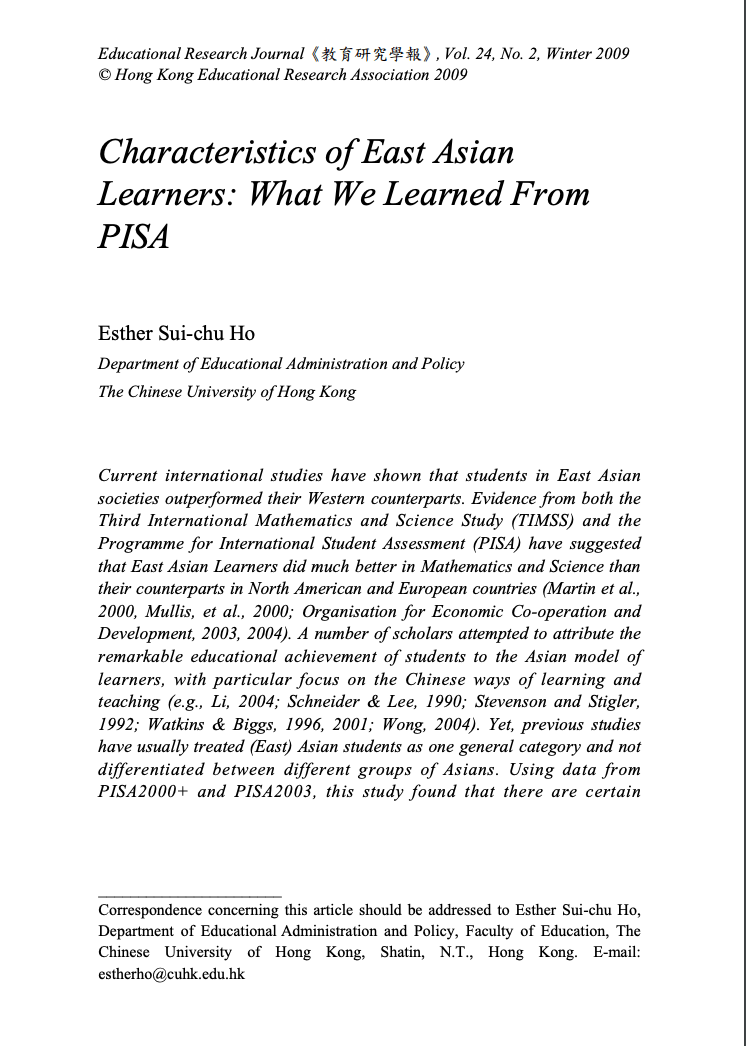 Photo: East Asian educational contexts, via i0.wp.com
Similarly, some European academic traditions favour comprehensive literature reviews demonstrating extensive knowledge, whilst UK essays prioritise selective engagement with sources that directly support analytical arguments. Middle Eastern and South Asian academic cultures often emphasise respectful acknowledgement of established authorities, whereas UK universities expect students to engage critically even with renowned scholars.
Recognising these differences helps international students understand why their familiar approaches may not achieve expected grades, despite representing sophisticated thinking within their original academic contexts.
Citation Culture and Source Integration
Referencing practices vary significantly across academic cultures, creating particular challenges for international students. Some traditions emphasise extensive quotation to demonstrate respect for authorities, whilst UK conventions favour paraphrasing and critical synthesis. The balance between acknowledging sources and developing original arguments differs markedly between systems.
German academic tradition, for instance, often expects detailed engagement with primary sources and extensive footnoting, whilst UK undergraduate essays typically require broader source integration with more streamlined referencing. Understanding these expectations prevents international students from either over-citing (appearing to lack original thought) or under-citing (risking plagiarism accusations).
 Photo: German academic tradition, via assets.thelocal.com
French academic tradition emphasises elegant prose and philosophical depth, sometimes at the expense of explicit argumentation structure. UK universities expect clear signposting and logical progression, requiring French students to adapt their naturally sophisticated writing style to more explicit organisational frameworks.
Language Register and Academic Voice
Developing appropriate academic voice presents unique challenges for international students. Those from American educational backgrounds often need to moderate their assertive tone for UK audiences, who prefer measured confidence over bold declarations. Conversely, students from cultures emphasising academic humility may need to strengthen their argumentative voice to meet UK expectations of scholarly confidence.
The use of personal pronouns varies across traditions. Some academic cultures discourage first-person usage entirely, whilst UK universities increasingly accept "I argue" or "This essay contends" as appropriate scholarly language. Understanding these nuances helps international students navigate between appearing too passive or inappropriately informal.
Structural Adaptation Strategies
Successful adaptation requires systematic attention to essay structure. International students should prioritise early thesis presentation, typically within the first paragraph, even if this feels abrupt compared to their familiar approaches. Each paragraph should begin with clear topic sentences that explicitly connect to the overall argument—a practice that may seem overly obvious in some academic traditions but is essential in UK contexts.
Developing effective conclusions also requires cultural adjustment. Some traditions expect comprehensive summaries restating all major points, whilst UK essays favour concise conclusions that synthesise arguments and suggest broader implications. Learning to balance thoroughness with concision reflects deeper adaptation to British academic expectations.
Feedback Interpretation and Implementation
International students often struggle to interpret UK academic feedback effectively. Comments like "needs more critical analysis" or "argument requires development" may seem vague compared to more specific feedback traditions in other systems. Learning to decode this feedback style and translate it into concrete improvements becomes crucial for academic progress.
Building relationships with personal tutors and utilising university writing support services can bridge this interpretation gap. Many international students hesitate to seek help, viewing it as admission of inadequacy, but UK universities explicitly encourage such engagement as part of the learning process.
Practical Implementation Framework
Developing cultural academic fluency requires systematic practice. Begin by analysing high-scoring essays from your discipline to understand successful UK academic writing patterns. Pay attention to argumentation structure, source integration, and language register rather than focusing solely on content.
Practice adapting your natural writing style gradually. Start with small adjustments—perhaps beginning paragraphs more directly or reducing descriptive content in favour of analytical discussion. Over time, these modifications become natural whilst preserving your intellectual strengths from your original academic tradition.
Engage actively with UK academic discourse through seminars and discussion groups. This exposure helps develop intuitive understanding of British academic expectations beyond formal essay requirements.
Building on Cultural Strengths
Adaptation doesn't require abandoning intellectual strengths from your original academic background. Many international students possess analytical skills, cultural perspectives, and knowledge bases that enrich UK academic discourse. The goal is translating these strengths into formats that UK universities can recognise and reward.
For instance, students from traditions emphasising comprehensive knowledge can learn to select and deploy this knowledge strategically rather than comprehensively. Those from cultures prioritising respectful scholarship can maintain this approach whilst developing more assertive analytical voices.
Conclusion
Mastering UK university essay conventions represents a form of academic bilingualism—developing fluency in British academic discourse whilst retaining intellectual strengths from your original educational background. This adaptation process requires patience, strategic practice, and willingness to embrace unfamiliar approaches. Success comes not from abandoning your academic identity but from expanding it to encompass multiple scholarly traditions. With conscious effort and strategic support, international students can transform their cultural diversity into academic advantage within UK higher education contexts.